Winning Starts With Better Communication Habits
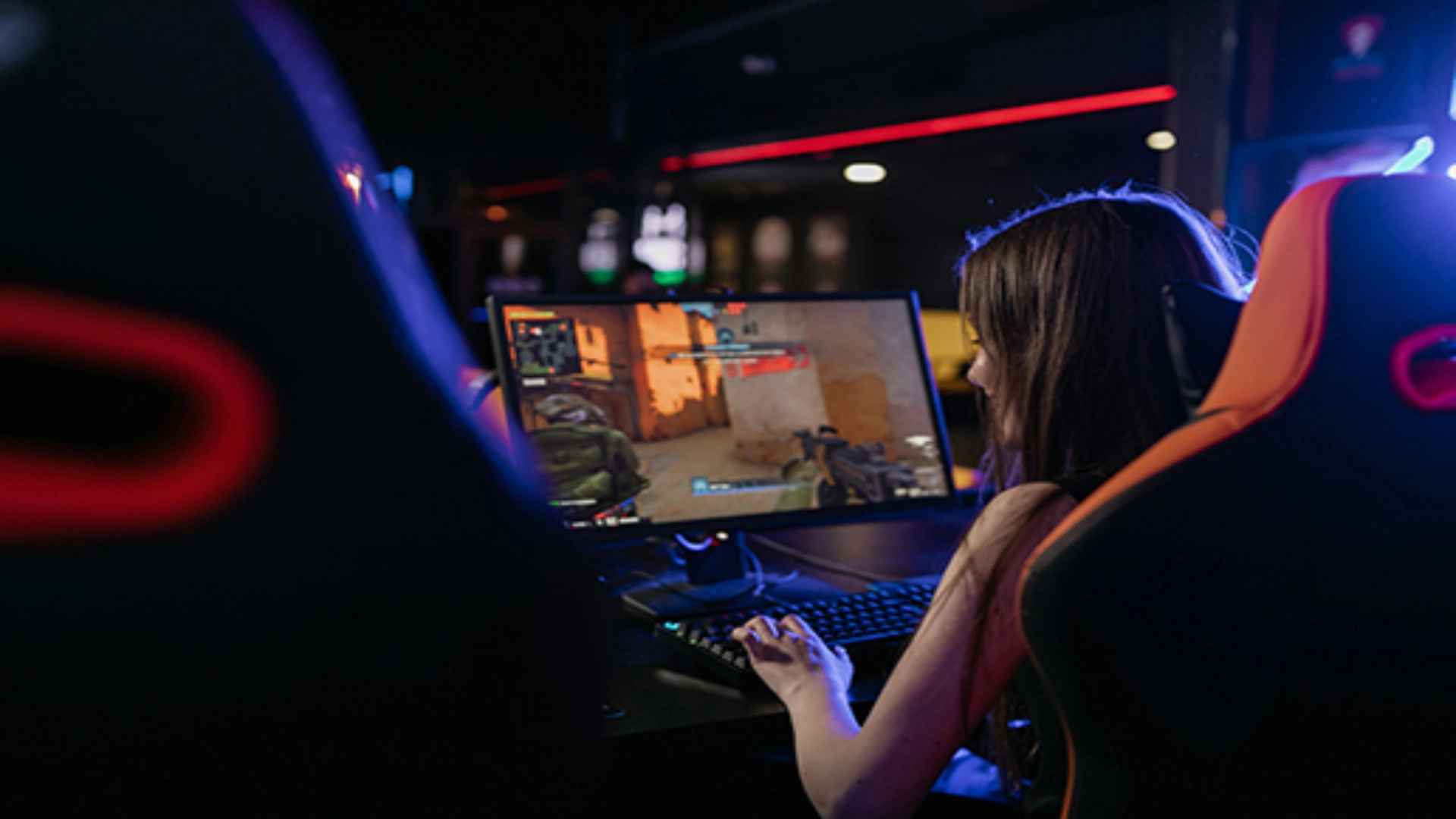
Achieving consistent victories in high-level Arena of Valor matches requires far more than individual mechanical mastery or fast reflexes. True success on the competitive ladder relies heavily on how effectively teammates exchange vital information during chaotic skirmishes. By establishing disciplined interaction routines, teams can transform random solo gameplay into a synchronized strategy that secures the match.
Establishing Real-Time Information Flow
During the intense early game phase, clear verbal cues can completely alter the trajectory of a match. Players must quickly share enemy positions, missing targets, and cooldown statuses to prevent unexpected lane ambushes. This proactive style of sharing operational updates removes dangerous guesswork and builds a solid foundation for collective tactical execution.
Furthermore, regular updates regarding the opponent's ultimate abilities help backline damage dealers position themselves safely. When a team actively coordinates their map vision, they drastically reduce unforced errors caused by blind spots. Fostering this seamless dialogue ensures that individual skills combine fluidly into an impenetrable defense.
Orchestrating Coordinated Objective Control
Securing major map milestones like the Abyssal Dragon or Dark Slayer demands flawless synchronization among all five players. High-performing squads use precise calls to direct their teammates toward taking these objectives rather than chasing meaningless individual eliminations. This strategic shift in focus ensures that the entire team benefits from permanent global gold and experience advantages.
Moreover, poor synchronization during critical neutral monster spawns frequently results in catastrophic team wipes. By establishing a designated shot-caller, groups can execute complex tactical rotations without hesitation or internal conflict. Choosing to align team goals around structural progress instead of temporary highlights leads directly to sustainable victories.
Mitigating Panic in High Pressure Scenarios
Maintaining psychological resilience when facing a significant gold disadvantage separates elite competitors from average players. Toxic comments or emotional outbursts quickly stall a team's focus and destroy the necessary trust required for comebacks. Constructive interactions during difficult match moments allow players to stay composed and discover optimal defensive strategies.
When communication remains objective and encouraging, individuals are far more comfortable sharing creative solutions to break the enemy's siege. Turning a seemingly certain defeat into an organized counteroffensive relies entirely on maintaining clear paths of dialogue under pressure. Ultimately, building structural discipline within team interactions transforms chaotic matches into highly manageable wins.
Cultivating Long Term Team Chemistry
Developing robust interactive habits outside of active matches strengthens the overall dynamic of a competitive roster. When teammates review their performance objectively during post-game analysis, they easily identify structural behavioral flaws. This continuous learning process removes personal friction and creates a collaborative culture where long-term improvement thrives.
In the end, master level execution on the seasonal ladder is built upon the daily routines established between players. Consistently practicing clear expressions of intent minimizes operational misunderstandings on the digital battlefield. Embracing these healthy communication habits remains the ultimate differentiator that carries teams toward historic triumphs.